The Golden Age of Sail and Trade Routes
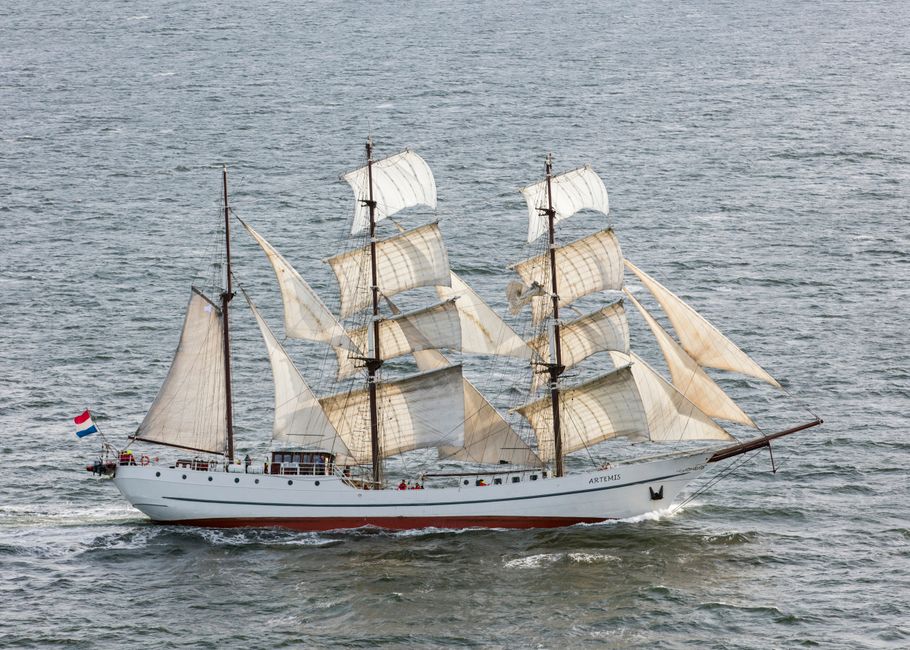
The Golden Age of Sail, roughly spanning the late 16th to the mid-19th century, represents a pivotal era in global commerce when wind-powered vessels connected continents and cultures in unprecedented ways. During this period, the mastery of sailing technology and navigational techniques allowed European powers, particularly Britain, to establish extensive trade networks that would shape the modern world economy. The clippers and East Indiamen that plied these routes were not merely modes of transport but sophisticated instruments of commerce, diplomacy, and exploration, whose design and operation reflected the ambitions and challenges of their time.
Understanding this era requires an appreciation of both the technological innovations and the human ingenuity that made long-distance trade possible. The ships themselves were marvels of engineering, optimized for speed, capacity, and resilience against the elements. Yet their success depended equally on the skills of navigators who, with limited instruments, braved uncharted waters, monsoons, and unpredictable currents. For those studying maritime history, this period offers a rich tapestry of lessons about how trade, technology, and geography intersect.
In the following sections, we examine the rise of clippers and East Indiamen, the commercial revolutions they spurred, and the navigational hurdles that crews faced on their epic voyages. By exploring these themes, we gain insight into how the age of sail laid foundations for global trade that persist in various forms today.
The Rise of the East Indiamen: Workhorses of Early Global Trade
The East Indiamen were large, sturdy merchant ships operated by the British East India Company and its European counterparts from the 17th to the early 19th century. Designed to carry valuable cargoes such as tea, spices, silk, and porcelain, these vessels were built for endurance rather than speed, often displacing over 1,000 tons and mounting cannon for defense against pirates and rival nations. Their routes typically followed the seasonal monsoon winds, sailing from European ports around the Cape of Good Hope to India, China, and Southeast Asia. The East Indiamen represented a fusion of commercial and naval architecture, embodying the mercantilist policies of the era, where trade was an extension of state power.
A typical voyage of an East Indiaman could last 18 months or more, involving careful planning to avoid hurricane seasons and to take advantage of prevailing winds. The ships were floating warehouses, carrying not only goods but also the provisions, water, and crew necessary for survival on lengthy passages. Their sheer size and armament made them formidable, and they often sailed in convoys for mutual protection. The East India Company’s monopoly on trade with the East meant that these ships were central to Britain’s economic strategy, generating immense wealth and fueling the expansion of its empire. However, their bulk also made them slow, and as global trade grew, demand for faster vessels emerged.
Despite their lack of speed, East Indiamen were remarkably reliable for their time, and their design influenced subsequent merchant shipbuilding. They demonstrated that long-distance trade could be conducted on a regular basis, paving the way for more specialized vessels. The navigational challenges they faced were manifold: unpredictable weather, inadequate charts, and the constant threat of disease and mutiny. Yet the experience gained from these voyages contributed to a growing body of knowledge about ocean currents, winds, and geography, which would later be systematized.
Clippers: The Pinnacle of Speed and Commerce
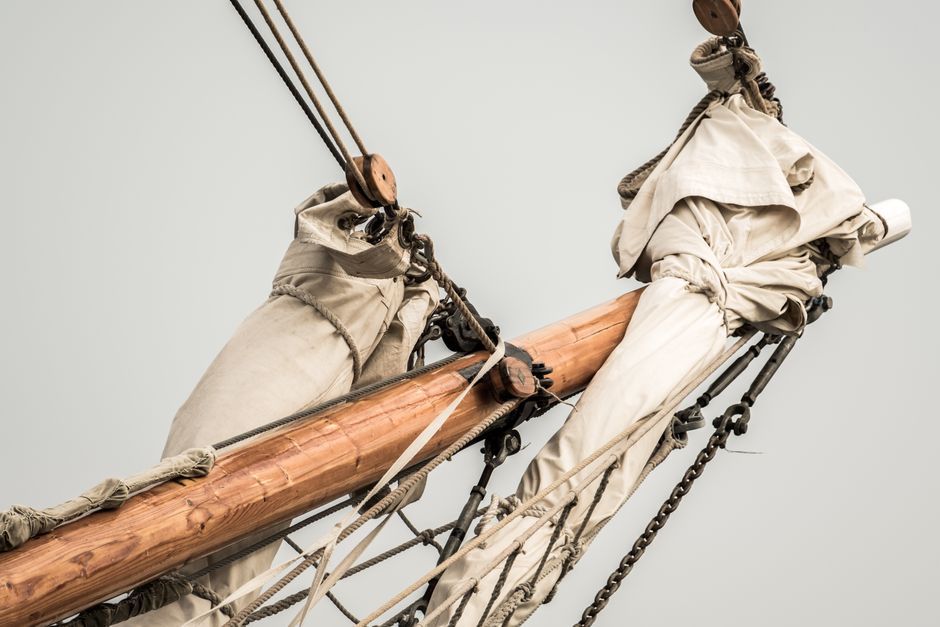
By the mid-19th century, the demand for faster delivery of high-value, perishable goods—particularly tea from China and wool from Australia—led to the development of clippers. These sleek, narrow-hulled ships were designed for speed above all else, with sharp bows, lofty masts, and vast sail areas that allowed them to achieve bursts of over 20 knots, an extraordinary feat for the time. The most famous clippers, such as Cutty Sark and Thermopylae, became legends in maritime history, competing in races that captured public imagination and drove commercial rivalry. Their emergence marked a shift from the plodding reliability of East Indiamen to a new era of rapid transit, where time was money and the first ship to arrive could command premium prices.
Clippers revolutionized global commerce by drastically reducing passage times. A voyage from London to Shanghai, which might take 120 days in an East Indiaman, could be completed in under 100 days by a well-handled clipper. This speed advantage was crucial for tea, which lost value with age, and for other luxury goods. The clipper trade also stimulated innovations in ship design, rigging, and sail handling, as shipbuilders vied to create the fastest vessels. However, clippers were expensive to build and operate, requiring large crews and often carrying less cargo than their bulkier counterparts. Their economic viability depended on high freight rates and specialized markets, making them vulnerable to shifts in trade patterns.
The clipper era was relatively short-lived, as the advent of steam-powered ships in the late 19th century offered more consistent schedules and independence from wind patterns. Yet the clippers’ legacy endures as a symbol of the age of sail’s peak, representing the ultimate expression of wind-powered maritime technology. Their story also highlights the interplay between technological innovation and market forces, as shipowners sought to balance speed, cost, and capacity in response to evolving commercial demands.
Navigational Challenges on Long Voyages
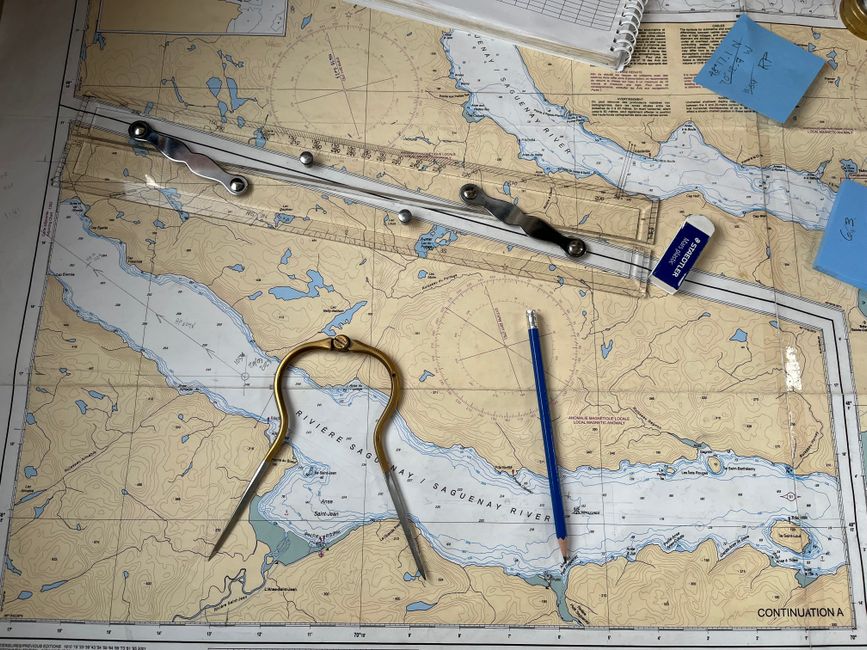
Navigating the vast oceans during the Golden Age of Sail was a formidable undertaking, fraught with risks and uncertainties. Before the widespread adoption of accurate chronometers in the late 18th century, determining longitude at sea was a critical problem, often leading to shipwrecks and delays. Navigators relied on dead reckoning, celestial observations, and later, lunar distances to estimate their position. The introduction of the marine chronometer by John Harrison in the 1760s provided a reliable means of calculating longitude, but it was expensive and not universally available for decades. Even with such instruments, navigators had to contend with magnetic variation, currents, and unpredictable weather, which could throw a ship far off course.
The challenges extended beyond position-finding. Long voyages exposed crews to scurvy, malnutrition, and disease, which could decimate a ship’s complement. Captains had to manage provisions carefully, often relying on salted meat, hardtack, and limited fresh water, with stops at waypoints like St Helena or the Cape of Good Hope for resupply. Storms, reefs, and icebergs posed constant threats, and the lack of detailed charts for many regions meant that ships often sailed into dangerous waters. The human element—maintaining morale, discipline, and skill among crews—was equally critical, as mutinies and desertions were not uncommon on extended passages.
In response to these challenges, maritime nations invested in better charts, navigational training, and ship design. The Royal Navy and private companies like the British East India Company established standards and provided instruments to their officers, gradually improving safety and efficiency. The accumulation of navigational knowledge was a collaborative effort, with explorers, scientists, and merchant captains contributing observations that refined understanding of global wind patterns and ocean currents. This collective learning process exemplifies how the age of sail advanced through both technological breakthroughs and practical experience, laying groundwork for modern navigation.
Impact on Global Commerce and Trade Networks
The clippers and East Indiamen were instrumental in weaving together a global trade network that spanned from Europe to Asia, Africa, and the Americas. They facilitated the exchange of goods, ideas, and cultures on a scale previously unimaginable, contributing to the rise of consumer societies in Europe and the enrichment of port cities worldwide. The tea trade, for instance, became a major economic driver, with British imports from China growing exponentially, while the textile trade linked Indian cottons to European markets. These commercial connections also had profound social and political consequences, including the expansion of colonialism and the displacement of local industries.
The efficiency gains from clippers and East Indiamen reduced transportation costs and increased the volume of trade, encouraging specialization and interdependence among regions. Ports such as London, Liverpool, and Bristol flourished as hubs of global commerce, while Asian ports like Canton and Calcutta became integral to the network. The need to finance, insure, and manage these voyages spurred innovations in banking, insurance, and corporate organization, with institutions like Lloyd’s of London emerging to handle maritime risks. Thus, the age of sail was not only a maritime phenomenon but also a catalyst for broader economic transformation.
Moreover, the competition among nations for trade dominance fueled exploration and territorial claims, leading to the establishment of coaling stations, colonies, and treaties that reshaped the world map. The legacy of these trade routes persists in modern shipping lanes and economic relationships, demonstrating the enduring influence of the sailing era. For contemporary observers, studying this period offers lessons about the complex interplay of technology, commerce, and geopolitics in shaping global networks.
“The sea is the great uniter and divider of nations, and the ships that sail it are the ambassadors of commerce.” — Anonymous maritime proverb
Legacy and Lessons from the Age of Sail
The Golden Age of Sail left an indelible mark on maritime history, setting precedents for international trade, navigation, and ship design that resonate to this day. The clippers and East Indiamen demonstrated the potential of wind-powered vessels to connect distant markets, while their limitations highlighted the need for continuous innovation. The navigational challenges overcome during this era—from longitude determination to scurvy prevention—represent milestones in human ingenuity and collaboration. Organizations such as Maritime Compass continue to study and preserve this heritage, offering resources for those interested in understanding how past mariners navigated the world’s oceans.
For modern businesses and historians alike, the age of sail provides valuable insights into the dynamics of global supply chains, risk management, and technological adoption. The transition from sail to steam, for instance, mirrors contemporary shifts toward renewable energy and digitalization, underscoring the constant evolution of transportation and trade. By examining the successes and failures of the sailing era, we can better appreciate the factors that drive economic integration and the importance of adaptability in a changing world.
Ultimately, the story of clippers and East Indiamen is a testament to human resilience and curiosity, reminding us that the pursuit of trade has always been intertwined with exploration and discovery. As we reflect on this period, we recognize that the foundations of our interconnected world were laid by those who dared to harness the wind and navigate the unknown.